

An inverter is a device that converts DC energy into AC energy and is commonly used in solar power generation systems. Proper installation of an inverter is very important for both the operational efficiency and safety of the system. The installation and wiring steps of the inverter will be introduced in detail below to ensure correct connection and operation.
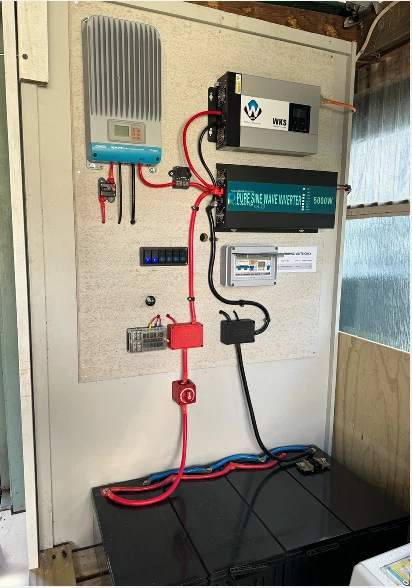
Step 1: Preparation
Before starting to install a power inverter, preparations need to be made. First, check whether the model, specifications and accessories of the inverter are consistent with the purchased product. Then, determine the installation location of the inverter. You should choose a place with sufficient ventilation space and moisture-proof measures. Finally, make sure that all tools are available at the installation site, such as wrenches, screwdrivers, insulating tape, etc.
Step 2: Install the inverter base
The inverter base is an important component for supporting and fixing the inverter. Before installing the inverter base, you should first determine the installation position of the base and ensure that it is in a stable and fixed position. Then, according to the size and installation requirements of the inverter base, use appropriate tools for installation, such as fixing base bolts, etc.
Step 3: Connect the Inverter to the Battery
Note that the inverter must be connected to the battery system of the corresponding specifications according to the DC voltage specification of the inverter. For example, the 12VDC version of the inverter can only be connected to a 12V battery system, and the DC voltage range of the 12VDC version of the inverter Usually 10-15V, if connected to a battery system with 24V or better voltage, the inverter will be under high voltage protection or even damage the inverter. .During the connection process, pay attention to the correctness of the wiring to ensure that the positive pole of the inverter is connected to the positive pole of the battery, and the negative pole of the inverter is connected to the negative pole of the battery. Make sure the wiring is secure.
Step 4: Grounding
In order to ensure the safety and reliability of the inverter, grounding is required. First, find the ground terminal of the inverter and connect it accordingly according to the grounding requirements. Then, make sure the ground cable is securely connected and well insulated to avoid safety hazards caused by grounding issues.
Step 5: Inspect and Test
After completing the installation and wiring , inspection and testing work are required to ensure the normal operation of the system,use a suitable electrical test instrument to test the output power and current.
Summarize:
The installation and wiring of inverters is a key step to ensure the normal operation and safety of the system. Preparation, installation of the inverter base, connection of the inverter to the battery and AC power, grounding treatment, and final inspection and testing all require careful attention and operation. Correct installation and wiring can improve the efficiency and reliability of the system and extend the service life of the inverter. During the installation process, be sure to carefully read and comply with the inverter installation guidelines and requirements to avoid malfunctions caused by improper operation.