

Introduction
Whether you're living the vanlife, boating offshore, or facing unexpected home power outages, an inverter is essential to convert battery DC power into standard AC power for daily appliances. However, many users encounter common issues: speaker static sizzling noises, overheating laptop power adapters, flickering TV screens, and buzzing electric motors.
These annoying problems almost always stem from one mistake: using a modified sine wave inverter.
Modified sine wave inverters feature low manufacturing costs but output rough, staircase-shaped power waveforms that disrupt electronic devices. In contrast, a pure sine wave inverter delivers smooth, continuous, grid-grade clean power. It protects sensitive electronics, reduces energy waste, and significantly extends the service life of your electrical equipment.
In this in-depth guide, we cover everything you need to know about pure sine wave inverters, including real-world applications, core features, working principles, product types, selection scenarios, and professional maintenance tips.
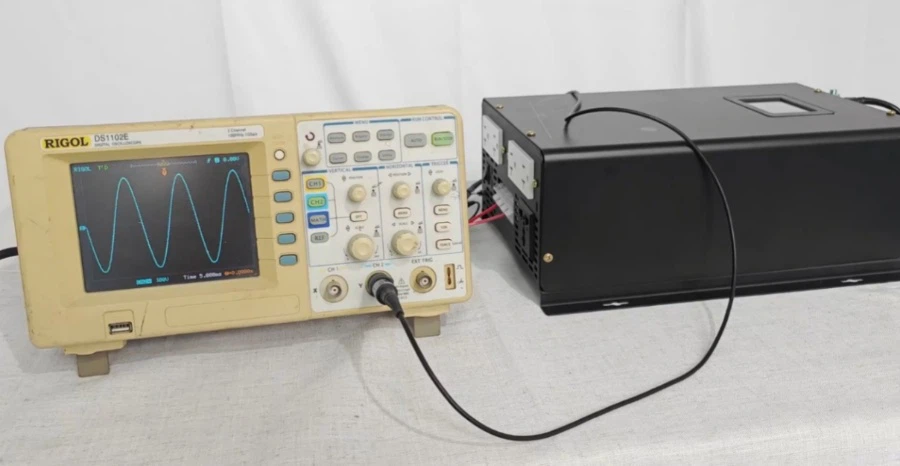
What Is a Pure Sine Wave Inverter? Key Applications
Pure sine wave inverters are the preferred power solution for any scenario requiring stable, high-quality AC power. Unlike modified sine wave alternatives, they produce ultra-low-distortion current compatible with nearly all household, smart, and precision electronic devices. Below are their most common and critical applications:
1. Home Emergency Backup Power
During blackouts, a pure sine wave inverter paired with a battery bank provides reliable, safe power for home essentials including refrigerators, WiFi routers, LED lighting, smart TVs, and small kitchen appliances. Unlike modified sine wave inverters, it causes no slow microwave heating, no buzzing fan motor noise, and no screen flickering, maintaining normal household operation without electronic interference.
2. RV & Vanlife Off-Grid Systems
Modern recreational vehicles are equipped with high-precision electric devices: induction cooktops, smart TVs, gaming laptops, air conditioners, and coffee machines. Most of these devices rely on built-in microprocessors and variable-frequency motors that are extremely sensitive to power quality. A modified sine wave inverter will easily cause system crashes, abnormal overheating, and even permanent circuit damage. For stable vanlife off-grid power, a pure sine wave inverter is a non-negotiable necessity.
3. Off-Grid Solar Power Systems
Solar panels generate direct current (DC) and store power in batteries, while household appliances require alternating current (AC) to operate. A high-efficiency pure sine wave inverter acts as the core conversion unit for solar systems. With a power conversion efficiency above 90% and extremely low harmonic distortion, it effectively protects solar charge controllers and batteries from damage caused by unstable current, maximizing solar power utilization.
4. Marine & Boat Power Systems
Marine vessels rely on precision electronic equipment such as navigation systems, marine radar, fish finders, and sonar devices. Any waveform distortion or current interference will lead to inaccurate data readings and unstable device operation. Pure sine wave inverters deliver interference-free clean power and adapt to harsh marine environments with high humidity and constant vibration, ensuring the safe and reliable operation of all marine electronics.
5. Medical & Professional Precision Equipment
Medical devices including CPAP ventilators, oxygen concentrators, dental equipment, and laboratory analytical instruments have ultra-strict power quality requirements. Slight waveform distortion may trigger equipment fault alarms, automatic shutdowns, or even affect medical and experimental accuracy. For all sensitive professional equipment, a pure sine wave inverter is the only officially recommended power solution.
Core Functions of a Qualified Pure Sine Wave Inverter
A high-quality pure sine wave inverter comes with four indispensable core capabilities, distinguishing it fundamentally from modified sine wave models:
|
Core Function |
Detailed Description |
|
DC to AC Power Conversion |
Converts 12V/24V/48V battery DC power into standard 110V/120V or 220V/240V household AC power, matching global mainstream electricity standards. |
|
Pure Sine Wave Output |
Total Harmonic Distortion (THD) is controlled below 3%, with premium models reaching less than 2%. The output waveform is smooth, burr-free, and identical to grid power quality. |
|
Ultra-Stable Voltage Output |
It maintains stable AC output voltage even with obvious battery voltage fluctuations (e.g., 12V dropping to 11V), avoiding device shutdowns or damage caused by voltage instability. |
|
Full-Range Safety Protection |
Built-in overload protection, over-temperature protection, short-circuit protection, and low battery voltage protection, fully safeguarding inverter safety and connected device integrity. |
Simply put, a pure sine wave inverter lets you access grid-grade clean power anytime, whether you're off-grid, on the road, or facing power outages.
How Does a Pure Sine Wave Inverter Work?
The working mechanism of a pure sine wave inverter is systematic and precise, completed in five core steps:
1. DC Power Input: Draws low-voltage DC power from vehicle cigarette lighters or battery packs (12V/24V/48V).
2. Reference Signal Generation: The internal smart chip generates a standard high-frequency pure sine wave reference signal as the power output benchmark.
3. PWM Pulse Width Modulation: High-speed switching transistors cut continuous DC power into precise variable-width pulse sequences, laying the foundation for smooth waveform formation.
4. Filtering & Wave Shaping: Professional inductance and capacitance filter circuits eliminate current burrs and gaps, smoothing pulse sequences into a complete, smooth sine wave.
5. Stable AC Output: Finally outputs standard 50Hz/60Hz pure sine wave AC power for all household and electronic devices.
Modified sine wave inverters skip core PWM modulation and filtering processes, directly outputting incomplete square waves and step waves. The flawed waveform causes motor overheating, current noise, and device failure - the root cause of most off-grid power problems.
Pure Sine Wave Inverter Types & How to Choose
According to structural design, power parameters and application scenarios, pure sine wave inverters are divided into five mainstream types, suitable for different user needs:
|
Inverter Type |
Core Characteristics |
Best For |
|
Basic Inverter-Only Model |
Only supports DC to AC conversion, no built-in charging function, requires an external independent charger. |
Users with existing solar charge controllers who only need an inverter function. |
|
Inverter & Charger All-in-One |
Integrates inversion, battery charging, and automatic grid switching functions, charging batteries automatically when connected to grid power. |
RVs, off-grid cabins, boats, and mainstream off-grid power scenarios (most cost-effective choice). |
|
12V/24V Car Small Inverter |
Low power (150W–1000W), portable design, supports cigarette lighter plug-in or battery clip connection. |
Short-distance road-trip, outdoor office, charging laptops, drones and small electronics. |
|
Power Frequency Inverter |
Large size & heavy weight, strong impact resistance, stable drive for high-power inductive loads (air conditioners, water pumps). |
Professional off-grid solar systems, high-power home backup power scenarios. |
|
High-Frequency Inverter |
Compact, lightweight, high conversion efficiency, slightly weaker short-term overload capacity than power frequency models. |
Most household backup and RV users (the most balanced daily choice). |
Top Pick for Most Users: A 1000W–3000W high-frequency pure sine wave inverter all-in-one inverter balances portability, power, efficiency and cost perfectly for home and RV off-grid use.

When Must You Use a Pure Sine Wave Inverter?
Modified sine wave inverters can barely support simple resistive loads such as incandescent bulbs and electric blankets. However, for all scenarios involving precision, smart, or motor-driven devices, a pure sine wave inverter is mandatory:
- Computer & Office Equipment: Laptops, desktops, servers, and NAS devices. Modified sine wave power causes power supply overheating, circuit noise, and even hard disk damage and data loss.
- Medical Devices: CPAP ventilators, oxygen concentrators, and electric wheelchair chargers. Most official medical device manuals explicitly require pure sine wave power input.
- Audio-Visual Equipment: Sound systems, projectors, and smart TVs. Eliminates current hum, screen ripples, and image distortion for silent and high-definition operation.
- Motor-Driven Appliances: Refrigerators, fans, water pumps, and vacuum cleaners. Pure sine wave power reduces motor operating temperature, lowers noise, and extends equipment service life.
- Power Tool Charging: Original chargers for DeWALT, Makita, and other professional power tools often fail to start or trigger overheating protection under distorted modified sine wave power.
- High-Power Kitchen Appliances: Microwave ovens and induction cookers. Modified sine wave power reduces heating efficiency by 30%–50% and burns internal control circuit boards easily.
- Long-Term Off-Grid Use: Pure sine wave inverters have lower no-load and light-load power loss, effectively saving battery power and extending off-grid battery endurance.

In short: If your off-grid battery system exceeds $300 or any connected electronic device costs over $80, upgrading to a pure sine wave inverter is a cost-effective investment to avoid expensive device damage.
Common Troubleshooting & Daily Maintenance Guide
Proper use and maintenance can maximize the service life and stability of your pure sine wave inverter. Below are common faults, solutions, and professional maintenance tips:
Common Faults & Quick Fixes
|
Fault Phenomenon |
Possible Causes |
Solutions |
|
Inverter fails to start |
Blown fuse, loose battery terminals, dead battery |
Replace the fuse, tighten wiring terminals, and test battery voltage before use. |
|
Low voltage alarm triggers frequently |
Insufficient battery power, overly thin connection cables causing voltage drop |
Fully charge the battery and replace with thick high-purity copper cables for connection. |
|
Automatic overheating shutdown |
Blocked cooling fan, high ambient temperature, long-term overload operation |
Clean fan and heat sink dust, move to a ventilated environment, and reduce load power. |
|
Appliances produce abnormal noise |
Wrong modified sine wave model or current interference |
Confirm pure sine wave model, install a power filter at the inverter output end. |
|
Cooling fan runs continuously |
Normal low-speed standby fan design |
No maintenance required if no overheating or abnormal high-speed operation occurs. |
Professional Daily Maintenance Tips
1. Keep Dry at All Times: Water and moisture are the main causes of inverter burnout. Install the inverter in a dry, condensate-free, and well-ventilated compartment.
2. Regular Dust Cleaning: Every 3–6 months, use compressed air to blow away internal dust on the cooling fan and heat sink to ensure heat dissipation efficiency.
3. Check Wiring Regularly: Tighten battery and inverter input terminals every six months to avoid voltage drop and overheating caused by oxidation and loose connections.
4. Cut Off Power When Idle: Inverters consume standby power even without load. Turn off the switch or disconnect the battery for long-term idle periods to save power and protect the machine.
5. Strictly Avoid Overload: Do not exceed the rated continuous power marked on the nameplate. Note that motor loads require 2 times peak power for instant startup.
6. Standard Long-Term Storage: If not in use for more than one month, disconnect the battery connection and store the inverter in a cool, dry place to avoid circuit aging.
Final Conclusion
A pure sine wave inverter costs 30%–50% more than a modified sine wave model, but the price difference brings tangible long-term benefits: quieter operation, lower heat loss, longer device lifespan, and zero unexplained electronic failures.
Whether you rely on laptops for outdoor work, need stable power for home medical equipment, or have invested heavily in an RV off-grid electrical system, choosing a pure sine wave inverter is not an optional upgrade - it is a necessary investment to avoid costly equipment damage and power failures.
All household electronic devices are designed for standard grid sine wave power. With a high-quality pure sine wave inverter, you can enjoy the same stable, clean, and safe grid power quality anywhere off the grid.