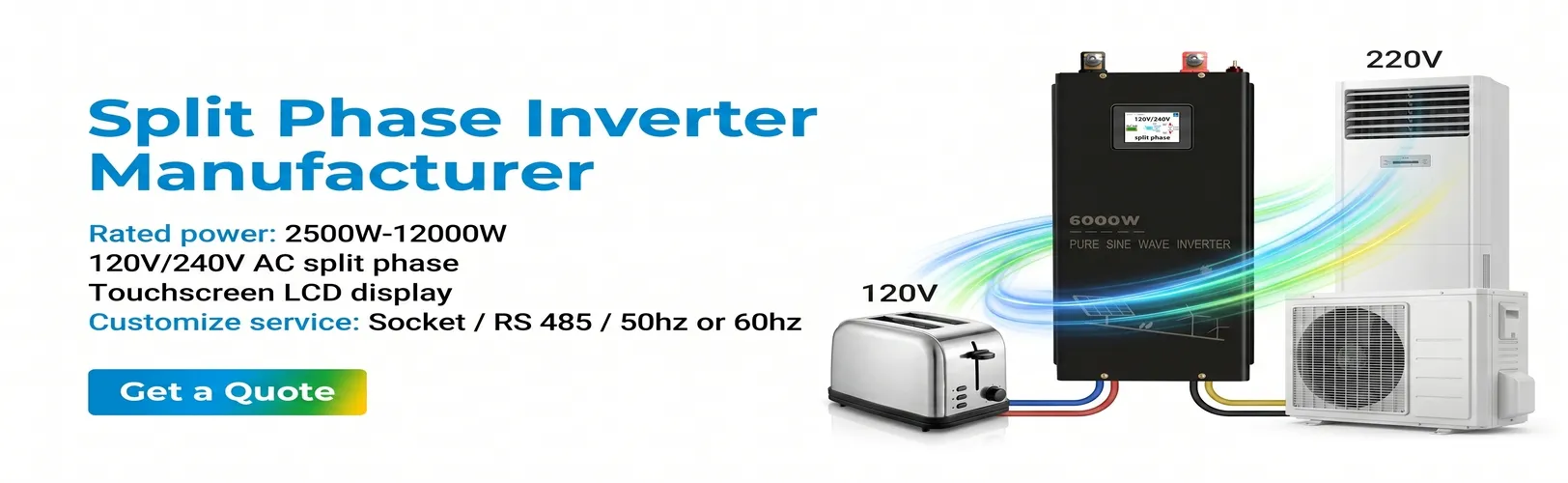
Split Phase Inverter

What is Split Phase Inverter


A split phase inverter refers to a power inverter that operates using two separate AC inputs, typically derived from two different phases of an electrical supply system. This configuration allows the inverter to maintain a consistent output even when one of the input phases fails or fluctuates.
The primary advantage of a split phase inverter is its enhanced reliability and redundancy. For instance, in industrial or commercial settings where continuous power supply is critical, having an inverter that can draw power from two independent phases can significantly reduce the risk of downtime due to power outages or disturbances on a single phase.


Benefits of Split Phase Inverter
 

Redundancy and Reliability: By using two separate phases as inputs, split phase inverters can continue operating if one phase experiences an outage or disturbance. This dual-input capability enhances overall system reliability.
Load Sharing: When both phases are operational, a split phase inverter can distribute the load between the two phases, reducing the stress on any single phase and improving the longevity of the electrical infrastructure.
Improved Power Quality: Dual-phase inputs can provide a more stable and consistent power output, which is crucial for sensitive equipment that might be affected by power fluctuations or interruptions.
Increased Power Capacity: With two input phases, split phase inverters can potentially handle larger loads compared to single-phase inverters, making them suitable for heavy-duty applications.
Automatic Fault Tolerance: If one phase fails, the inverter can automatically switch to the remaining phase without interrupting power supply, which is particularly important in critical applications where downtime cannot be tolerated.
Flexibility in Power Supply: Split phase inverters can be configured to work with a variety of power sources, including grid power, backup generators, or battery banks, providing flexibility in power management.
Energy Efficiency: By optimizing the load distribution across the two phases, energy consumption can be more efficient, potentially leading to cost savings over time.
Compatibility with Existing Infrastructure: In areas where buildings are already wired for split phase power supply, split phase inverters can integrate seamlessly with minimal additional infrastructure modifications.
Enhanced Backup Power Options: In the event of a grid failure, a split phase inverter can switch to a backup generator or battery system connected to the second phase, ensuring continuous operation of critical loads.


Why Choose Us
 

Quality Assurance

We have a rigorous quality assurance process in place to ensure that all our services meet the highest standards of quality. Our team of quality analysts checks each project thoroughly before it is delivered to the client.

State-of-the-art Technology

We use the latest technology and tools to deliver high quality services. Our team is well-versed in the latest trends and advancements in technology and uses them to provide the best results.

Customer Satisfaction

We are committed to delivering high quality services that exceed our clients' expectations. We strive to ensure that our clients are satisfied with our services and work closely with them to ensure their needs are met.

Competitive Pricing

We offer competitive pricing for our services without compromising on quality. Our prices are transparent, and we do not believe in hidden charges or fees.

One-stop service

We promise to provide you with the fastest reply, the best price, the best quality, and the most complete after-sales service.

Expertise and Experience

Our team of experts have years of experience in delivering high quality services to our clients. We hire only the best professionals who have a proven track record of delivering exceptional results.


What is a Split Phase Inverter and how does it differ from a single-phase inverter

A Split Phase Inverter is an inverter that converts DC power to AC power and delivers it to two separate phases. In contrast, a single-phase inverter only provides power to a single phase.
The main difference lies in the number of phases they handle. Split Phase Inverters are commonly used in residential and small commercial applications where two-phase power is required, such as in some regions with a split-phase electrical distribution system.
Another difference is in the power output. Split Phase Inverters are designed to handle higher power loads compared to single-phase inverters. They can supply power to multiple circuits or devices simultaneously, allowing for more flexibility in power distribution.
In terms of functionality, both single-phase and Split Phase Inverters perform the same basic task of converting DC to AC. However, the specific design and features may vary depending on the application and requirements.
It's important to note that the choice between a Split Phase Inverter and a single-phase inverter depends on the electrical infrastructure and power needs of the specific installation. If you need more details or have specific applications in mind, it's best to consult with an electrical engineer or the manufacturer of the inverter for accurate information and recommendations.


What are the mounting options for Split Phase Inverters


Split phase inverters can be mounted in a variety of ways depending on the specific requirements of the installation environment and the design of the inverter itself. Some common mounting options include:

1

Rack Mount: Many inverters are designed to fit into standard 19-inch server racks commonly found in data centers and electrical rooms. These units have rail systems on the sides that slide into place within the rack.

2

Flush Mount: Inverters can be installed directly onto a wall or a backboard, with the front facing out for easy access. Screws or brackets are used to secure the inverter to the mounting surface.

3

Freestanding Pedestal or Plinth: Some inverters can be placed on a sturdy stand or platform, which elevates the unit off the floor and provides ventilation. This option is useful in locations where wall or rack mounting is not feasible.

4

Enclosed Cabinet or Wall Cabinet: For added protection against environmental elements or unauthorized access, an inverter can be mounted inside a locked enclosure that is then attached to a wall or a free-standing frame.

5

Ceiling Mount: Depending on the size and design of the inverter, it might be suitable for ceiling mount installations. This requires careful consideration of weight distribution and adequate clearance for cooling.

6

DIN Rail Mount: Smaller inverters may be designed to be mounted on DIN rails, which are standardized metal strips used for organizing and securing electrical components within control cabinets.

7

Pole Mount: Outdoor or industrial applications might utilize pole mounts, where the inverter is attached to a vertical pole or structure. This is particularly useful in remote locations or where the inverter needs to be elevated for service reasons.


Split Phase Inverter 120 240 Off Grid


What is the warranty period offered on Split Phase Inverters

Warranty periods for Split Phase Inverters can vary by manufacturer and model. Typically, they range from 1 to 5 years, but it's best to check the specific warranty details provided by the manufacturer or vendor.
Some factors that can influence the warranty period include the quality and reliability of the inverter, the manufacturer's confidence in their product, and market competition. Higher-quality inverters or those from reputable manufacturers might offer longer warranty periods.
It's important to review the warranty terms and conditions, as they will outline the coverage and any limitations or exclusions. The warranty may cover defects in materials and workmanship, but it might not cover damage caused by improper use, installation, or external factors.
Extended warranty options may also be available for an additional cost, providing extended protection beyond the standard warranty period. When considering a Split Phase Inverter, besides the warranty period, also look at the manufacturer's reputation, customer reviews, and the overall quality and features of the product.
If you have a specific brand or model in mind, I suggest reaching out to the manufacturer or checking their website for the exact warranty details. That way, you can make an informed decision based on the warranty and other factors that are important to you.


What are the mounting options for Split Phase Inverters


Split phase inverters can be mounted in a variety of ways depending on the specific requirements of the installation environment and the design of the inverter itself. Some common mounting options include:
Rack Mount: Many inverters are designed to fit into standard 19-inch server racks commonly found in data centers and electrical rooms. These units have rail systems on the sides that slide into place within the rack.
Flush Mount: Inverters can be installed directly onto a wall or a backboard, with the front facing out for easy access. Screws or brackets are used to secure the inverter to the mounting surface.
Freestanding Pedestal or Plinth: Some inverters can be placed on a sturdy stand or platform, which elevates the unit off the floor and provides ventilation. This option is useful in locations where wall or rack mounting is not feasible.
Enclosed Cabinet or Wall Cabinet: For added protection against environmental elements or unauthorized access, an inverter can be mounted inside a locked enclosure that is then attached to a wall or a free-standing frame.
Ceiling Mount: Depending on the size and design of the inverter, it might be suitable for ceiling mount installations. This requires careful consideration of weight distribution and adequate clearance for cooling.
DIN Rail Mount: Smaller inverters may be designed to be mounted on DIN rails, which are standardized metal strips used for organizing and securing electrical components within control cabinets.
Pole Mount: Outdoor or industrial applications might utilize pole mounts, where the inverter is attached to a vertical pole or structure. This is particularly useful in remote locations or where the inverter needs to be elevated for service reasons.


What is the warranty period offered on Split Phase Inverters

Warranty periods for Split Phase Inverters can vary by manufacturer and model. Typically, they range from 1 to 5 years, but it's best to check the specific warranty details provided by the manufacturer or vendor.
Some factors that can influence the warranty period include the quality and reliability of the inverter, the manufacturer's confidence in their product, and market competition. Higher-quality inverters or those from reputable manufacturers might offer longer warranty periods.
It's important to review the warranty terms and conditions, as they will outline the coverage and any limitations or exclusions. The warranty may cover defects in materials and workmanship, but it might not cover damage caused by improper use, installation, or external factors.
Extended warranty options may also be available for an additional cost, providing extended protection beyond the standard warranty period. When considering a Split Phase Inverter, besides the warranty period, also look at the manufacturer's reputation, customer reviews, and the overall quality and features of the product.
If you have a specific brand or model in mind, I suggest reaching out to the manufacturer or checking their website for the exact warranty details. That way, you can make an informed decision based on the warranty and other factors that are important to you.

24V/48VDC Split Phase Inverter 120V/240VAC


Are Split Phase Inverters suitable for off-grid applications
 

Split phase inverters can be suitable for off-grid applications, particularly where there is a need for reliable power delivery and the ability to manage multiple power sources. Here are some considerations for using split phase inverters in off-grid settings:
● Dual Power Source Management: Off-grid systems often rely on solar panels as their primary energy source, with batteries acting as a backup. A split phase inverter can manage power from both sources simultaneously, optimizing the use of solar energy while ensuring the batteries are ready to provide power when needed.
● Load Distribution: Split phase inverters can distribute the electrical load across two phases, which can be particularly beneficial in off-grid scenarios where managing peak loads is critical to avoid draining the battery bank too quickly.
● Reliability: By having two power inputs, split phase inverters can provide a level of redundancy. If one power source fails, the inverter can switch to the other source, ensuring that critical loads remain powered.
● Scalability: As off-grid systems often start small and grow over time, split phase inverters can be scaled by adding more solar panels or battery banks without the need for a completely new inverter setup.
● Compatibility with Existing Systems: In locations where existing infrastructure supports split phase power, a split phase inverter can be integrated more easily, leveraging the existing wiring and avoiding the need for extensive rewiring.


However, there are also considerations that must be addressed:
● Complexity and Cost: Split phase systems can be more complex to design and install than simpler single-phase setups, which may increase costs.
● Size and Space: Split phase inverters may be larger than single-phase counterparts, requiring more space for installation, which could be a limitation in some off-grid locations.
● Maintenance and Serviceability: Due to their complexity, split phase inverters might require more specialized maintenance and could be more challenging to service in remote locations.


Are Split Phase Inverters suitable for off-grid applications


Split phase inverters can indeed be suitable for off-grid applications under certain conditions. Their dual-input capability allows for the integration of two different power sources, which can be particularly advantageous in off-grid scenarios where energy sources such as solar panels and wind turbines are combined with battery storage. The redundancy provided by having two power inputs ensures a higher degree of reliability, as the system can continue to operate even if one of the power sources becomes unavailable.
Moreover, split phase inverters can help balance the electrical load across two phases, which is useful for managing peak demand and preventing excessive discharge of the battery bank. This load balancing feature can be particularly important in off-grid systems where the power generation might not match the power consumption at all times, and where battery health is a concern due to deep discharges.
However, the complexity of split phase inverters means they require careful planning and design for optimal performance. The initial investment for these inverters may be higher than for simpler single-phase solutions, and the installation might be more involved due to the need for managing two power inputs. Additionally, maintenance and repair might be more complex and costly, especially in remote off-grid locations where specialized service might not be readily available.
In summary, split phase inverters can be a viable option for off-grid applications, offering enhanced reliability and load management capabilities. However, their suitability will depend on the specific requirements of the off-grid system, including power needs, budget, and logistical considerations related to installation and maintenance. It is advisable to consult with experienced professionals to determine the most appropriate power solution for an off-grid application.


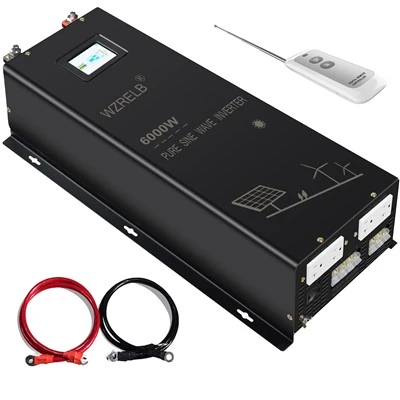
Inverter with Wireless Remote


Can Split Phase Inverters be used in conjunction with generators

Yes, Split Phase Inverters can be used in conjunction with generators. This combination can be beneficial in situations where backup power is needed or when there is a desire to integrate renewable energy sources with a generator.
When using a generator with a Split Phase Inverter, the generator can supply power to the inverter, which then converts it to AC electricity. The inverter can handle the synchronization and distribution of power to the loads.
It's important to ensure that the generator and the Split Phase Inverter are compatible in terms of voltage, frequency, and power capacity. Some inverters may have specific requirements or limitations when it comes to working with generators.
Proper sizing and configuration of the generator and inverter are crucial to ensure a smooth and efficient power supply. It's also essential to follow the manufacturer's guidelines and recommendations for installation and operation.
Integrating a generator with a Split Phase Inverter allows for a more flexible and reliable power system, especially in cases of power outages or when additional power is required. However, it's always a good idea to consult with an electrical professional or the manufacturer to ensure a safe and effective setup.
Do you have any specific generator or power backup requirements in mind? I can provide more detailed information based on your specific needs.


What is the cooling mechanism used in Split Phase Inverters to prevent overheating

Split phase inverters, like many electronic devices, generate heat during operation, and overheating can lead to reduced efficiency, malfunction, and potentially damage the internal components. To prevent this, various cooling mechanisms are employed, which can include one or more of the following methods:
Passive Cooling: This involves the use of materials with high thermal conductivity, such as aluminum or copper, to dissipate heat from the inverter's components. Heat sinks with fins are often attached to critical parts like the power semiconductors (transistors and diodes) to increase the surface area for heat transfer to the surrounding air.
Forced Air Cooling: Fans or blowers are used to actively move air across the heat sink and other hot components. This method increases airflow and enhances heat dissipation, allowing for better cooling efficiency.

Liquid Cooling

In some high-power applications, liquid coolants such as water or special thermal fluids are circulated through channels in the inverter's housing or plates in contact with the hot components. The coolant absorbs heat and is then passed through a heat exchanger to release it to the atmosphere.

Phase Change Materials (PCMs)

Some inverters may use PCMs that absorb heat during a phase change, typically from solid to liquid. Once the phase change is complete, the material begins to release heat as it reverts to its original state, thus maintaining a relatively constant temperature around the components.

Thermal Grease or Paste

Applied between heat sinks and components, thermal paste enhances the heat transfer between the two surfaces, filling microscopic gaps and improving the overall cooling efficiency.


Are there any specific installation requirements for Split Phase Inverters
 

Yes, there are a few specific installation requirements for Split Phase Inverters. Here are some common ones to consider:
Electrical connections: The inverter needs to be properly connected to the electrical system, including the DC source (such as solar panels or batteries) and the AC load (such as appliances or the electrical grid).
Power capacity: The inverter should be sized appropriately based on the power requirements of the connected loads. Make sure to choose an inverter with sufficient capacity to handle the total power draw.
Grounding: Proper grounding is essential for safety. The inverter and the entire electrical system should be grounded according to local electrical codes and regulations.
Mounting: The inverter needs to be securely mounted in a suitable location, away from moisture, heat sources, and direct sunlight. Follow the manufacturer's instructions for mounting the inverter.
Ventilation: Inverters generate heat during operation, so proper ventilation is important to prevent overheating. Ensure there is enough airflow around the inverter to keep it cool.
Cable sizing: The cables connecting the inverter to the DC and AC sources and loads need to be properly sized to handle the electrical current. Using undersized cables can lead to power loss and potential safety hazards.
Protection devices: Fuses or circuit breakers may be required to protect the inverter and the connected devices from electrical surges or overloads.
Electrical codes and regulations: It's crucial to comply with local electrical codes and regulations during the installation. This ensures safety and proper functioning of the system.It's always recommended to refer to the manufacturer's installation manual for specific instructions and requirements for the particular Split Phase Inverter being used. Additionally, if you're not familiar with electrical installations, it's best to hire a qualified electrician to ensure a safe and proper installation. 


Our Factory


Yueqing Reliable Electric Co.,Ltd is identified as one of the most famous trademarks in China for pure sine wave inverter because of its high reliability ,reasonable service.
Committed ourselves to improving environment and making contribution to the renewable energy industry ,we at Reliable will continue develop efficient and cost-effective solution to bring more green electricity to our users.


1


Company Honor


productcate-1-1                               productcate-1-1                              productcate-1-1

productcate-1-1productcate-1-1productcate-1-1productcate-1-1


FAQ


Here are 20 questions regarding split phase inverters along with detailed answers:

Q: What is a split phase inverter?

A: A split phase inverter is an electrical device that converts direct current (DC) from sources like solar panels or batteries into alternating current (AC), which is the standard form of electricity used in homes and businesses. Unlike standard inverters, split phase inverters can handle two separate DC inputs and convert them into two separate AC outputs, which can be synchronized to work as a single, balanced power supply.

Q: How does a split phase inverter work?

A: Split phase inverters operate by receiving DC power from two separate sources and converting it into two synchronized AC outputs. These outputs are then combined to create a single, balanced power supply that can be used to power appliances and equipment. The inverter uses a sophisticated control algorithm to ensure that the AC outputs are perfectly synchronized, which is essential for preventing electrical interference and ensuring safe operation.

Q: What are the benefits of using a split phase inverter?

A: The main benefit of using a split phase inverter is increased reliability and safety. By receiving power from two separate sources, the inverter can continue to operate even if one source fails. Additionally, the split phase design helps to balance the electrical load and prevent overheating, which can extend the life of the inverter and reduce the risk of electrical fires.

Q: What types of applications are suitable for split phase inverters?

A: Split phase inverters are ideal for applications where reliability and safety are paramount, such as critical facilities, remote locations, and off-grid systems. They are commonly used in RVs, boats, and backup power systems, as well as in commercial and industrial settings where power quality and reliability are essential.

Q: How do I choose the right split phase inverter for my application?

A: When choosing a split phase inverter, consider the following factors: the maximum power output required, input voltage range, output voltage range, efficiency, size and weight, and price. It's also important to ensure that the inverter is compatible with your specific application and meets any relevant safety standards or certifications.

Q: What is the difference between split phase and single-phase inverters?

A: The key difference between split phase and single-phase inverters is that split phase inverters can handle two separate DC inputs and convert them into two separate AC outputs, which can be synchronized to work as a single, balanced power supply. Single-phase inverters, on the other hand, only handle a single DC input and convert it into a single AC output.

Q: Can I connect two split phase inverters together to increase my power output?

A: Yes, you can connect two split phase inverters together to increase your power output, but it requires careful planning and consideration of several factors, including the maximum power output of each inverter, the input voltage range, and the output voltage range. It's also important to ensure that the inverters are properly synchronized to prevent electrical interference and ensure safe operation.

Q: What is the efficiency of split phase inverters compared to other types of inverters?

A: Split phase inverters typically have similar efficiencies to other types of inverters, ranging from about 85% to 95% depending on the specific model and application. However, the efficiency can vary significantly depending on the load and operating conditions, so it's important to choose an inverter that matches your specific application requirements.

Q: Are split phase inverters compatible with all types of batteries?

A: Split phase inverters are generally compatible with most types of batteries, including lead-acid, lithium-ion, and nickel-cadmium batteries. However, it's important to ensure that the battery voltage matches the input voltage range of the inverter and that the battery capacity is sufficient to meet your specific power requirements.

Q: Can I use a split phase inverter to power my entire home?

A: Yes, split phase inverters can be used to power an entire home, but it requires careful planning and consideration of several factors, including the maximum power output required, input voltage range, and output voltage range. It's also important to ensure that the inverter is properly sized and installed by a qualified technician to ensure safe and reliable operation.

Q: What is the lifespan of a split phase inverter?

A: The lifespan of a split phase inverter can vary widely depending on the specific model and application, but most high-quality inverters should last for at least 5-10 years under normal operating conditions. Proper maintenance and care can help extend the life of the inverter, but it's important to replace any worn or damaged components as soon as possible to prevent further damage or accidents.

Q: How do I maintain my split phase inverter?

A: To maintain your split phase inverter, follow these steps: regularly clean the exterior of the inverter to remove dirt and debris; inspect all cables and connections for wear or damage; check the cooling fans and heat sinks for proper operation; and monitor the inverter's performance and output voltage to ensure it is operating correctly. If you notice any issues or abnormalities with your inverter, contact a qualified technician immediately for assistance.

Q: What should I do if my split phase inverter stops working?

A: If your split phase inverter stops working, there are several steps you can take to diagnose and resolve the issue: first, check all cables and connections for wear or damage; inspect the cooling fans and heat sinks for proper operation; and reset the inverter if necessary. If none of these steps resolve the issue, contact a qualified technician for assistance.

Q: Are there any safety considerations I should keep in mind when using a split phase inverter?

A: Yes, there are several safety considerations you should keep in mind when using a split phase inverter: always disconnect the power before performing any maintenance or repairs on the inverter; use caution when handling high-voltage components; and avoid touching any exposed wires or terminals. Additionally, make sure that your inverter is properly grounded to prevent electric shock or fire hazards.

Q: Can I use a split phase inverter with an uninterruptible power supply (UPS)?

A: Yes, you can use a split phase inverter with an uninterruptible power supply (UPS) to provide backup power during outages or brownouts. However, it's important to ensure that the UPS is compatible with the inverter and that the combined power output meets your specific requirements. Additionally, you may need to purchase additional hardware or software to integrate the UPS with the inverter properly.

Q: What is the difference between pure sine wave and modified sine wave split phase inverters?

A: The main difference between pure sine wave and modified sine wave split phase inverters is the type of AC output waveform they produce. Pure sine wave inverters produce an output that closely resembles a perfect sine wave, which is essential for sensitive electronics and appliances that can be damaged by poor power quality. Modified sine wave inverters, on the other hand, produce a stepped approximation of a sine wave that is less expensive and less efficient than pure sine wave inverters but may be sufficient for basic loads.

Q: Can I use a split phase inverter to charge my electric car?

A: Yes, you can use a split phase inverter to charge your electric car, but it requires careful planning and consideration of several factors, including the maximum power output required by your car's charging station (EVSE), input voltage range of the inverter, and output voltage range. Additionally, you may need to purchase additional hardware or software to integrate the charging station with the inverter properly.

Q: How do I troubleshoot common problems with split phase inverters?

A: Common problems with split phase inverters include failure to start, low output voltage, high output voltage, and overheating. To troubleshoot these issues, follow these steps: check all cables and connections for wear or damage; inspect the cooling fans and heat sinks for proper operation; reset the inverter if necessary; and monitor the inverter's performance and output voltage to ensure it is operating correctly. If none of these steps resolve the issue, contact a qualified technician for assistance.

Q: What is the difference between grid-tie and off-grid split phase inverters?

A: Grid-tie split phase inverters are designed to work in conjunction with the local electrical grid, allowing excess power generated by renewable energy sources like solar panels to be sold back to the utility company. Off-grid split phase inverters, on the other hand, are designed for use in remote locations without access to the electrical grid, relying solely on renewable energy sources like solar panels and batteries for power.

Q: Can I use a split phase inverter with a generator?

A: Yes, you can use a split phase inverter with a generator to provide backup power during outages or brownouts. However, it's important to ensure that the generator is compatible with the inverter and that the combined power output meets your specific requirements. Additionally, you may need to purchase additional hardware or software to integrate the generator with the inverter properly.

As one of the leading split phase inverter manufacturers and suppliers in China, we warmly welcome you to buy bulk high-grade split phase inverter from our factory. All customized products are with high quality and competitive price.

Split Phase Inverter, Split Phase Inverter 120 240 Off Grid, 2 Phase Power Inverter 48 Volt