

What is Hybrid Solar Inverter
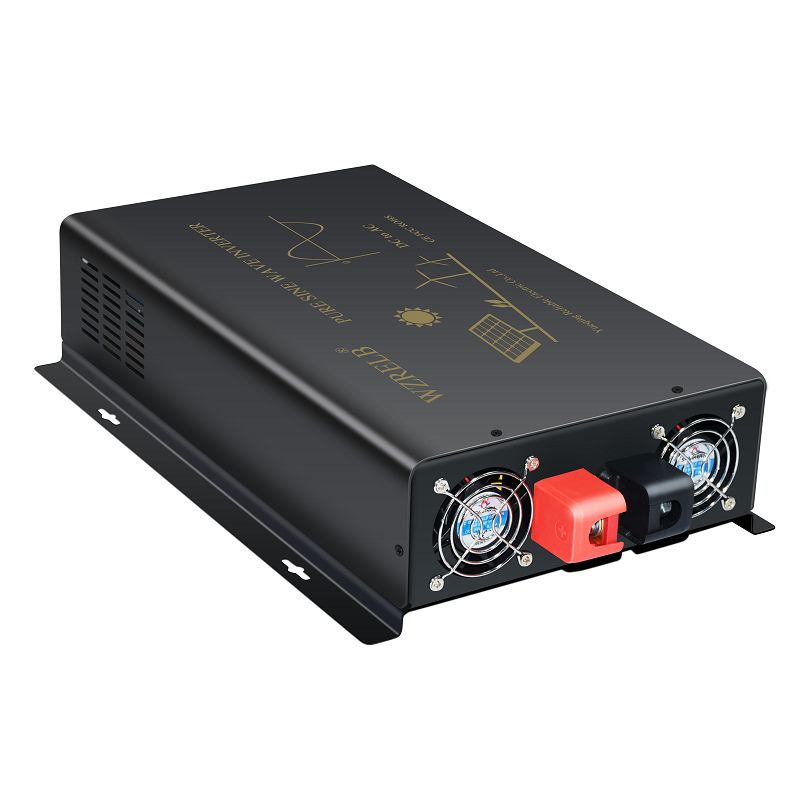
A Hybrid Solar Inverter is a device that combines the functions of a solar inverter and a battery inverter. It converts the direct current (DC) generated by solar panels into alternating current (AC) that can be used to power household appliances or fed back into the grid. At the same time, it also manages the charging and discharging of the battery to ensure efficient use and storage of solar energy.
Benefits of Hybrid Solar Inverter
Backup Power Supply: Hybrid inverters store excess solar energy in batteries, providing a backup power source during grid outages or at night when solar panels are not generating electricity.
Grid and Off-Grid Compatibility: They can operate in both grid-tied and off-grid modes, giving users flexibility in how they manage their energy consumption and independence from utility providers.
Energy Management System: Many hybrid inverters come with built-in energy management systems that optimize the usage of solar power, grid electricity, and battery storage, leading to reduced energy bills.
Enhanced Self-Consumption: These inverters maximize self-consumption of solar energy by prioritizing the use of stored solar power over grid power, thereby reducing reliance on the utility grid.
Renewable Energy Integration: Hybrid inverters allow for easier integration of renewable energy sources, such as solar panels, wind turbines, or hydroelectric systems, into a single energy management system.
Remote Monitoring and Control: They often include remote access capabilities via smartphone apps or web interfaces, enabling real-time monitoring, control, and analysis of energy generation, consumption, and storage.
Scalability: Hybrid solar inverters are designed to accommodate the addition of more solar panels or batteries without the need for a complete system overhaul, making them scalable for future energy needs.
Reduced Environmental Impact: By using stored solar energy during periods of low solar generation, hybrid systems contribute to a reduction in greenhouse gas emissions compared to grid-tied systems alone.
Peak Shaving and Load Shifting: Hybrid inverters can manage peak demand effectively, reducing high electricity costs associated with peak usage times by shifting loads to off-peak hours.
Why Choose Us
Quality Assurance
We have a rigorous quality assurance process in place to ensure that all our services meet the highest standards of quality. Our team of quality analysts checks each project thoroughly before it is delivered to the client.
State-of-the-art Technology
We use the latest technology and tools to deliver high quality services. Our team is well-versed in the latest trends and advancements in technology and uses them to provide the best results.
Customer Satisfaction
We are committed to delivering high quality services that exceed our clients' expectations. We strive to ensure that our clients are satisfied with our services and work closely with them to ensure their needs are met.
Competitive Pricing
We offer competitive pricing for our services without compromising on quality. Our prices are transparent, and we do not believe in hidden charges or fees.
One-stop service
We promise to provide you with the fastest reply, the best price, the best quality, and the most complete after-sales service.
Expertise and Experience
Our team of experts have years of experience in delivering high quality services to our clients. We hire only the best professionals who have a proven track record of delivering exceptional results.
What is a Hybrid Solar Inverter and how does it work
A Hybrid Solar Inverter is a device that combines the functions of a solar inverter and a battery inverter. It converts the direct current (DC) generated by solar panels into alternating current (AC) that can be used to power household appliances or fed back into the grid. At the same time, it also manages the charging and discharging of the battery to ensure efficient use and storage of solar energy.
Here's how a Hybrid Solar Inverter works:
Solar panel input: The Hybrid Solar Inverter connects to the solar panels and converts the DC power generated by the panels into AC power.
Battery charging: The inverter charges the battery when there is excess solar energy. It regulates the charging process to ensure the battery is charged properly and protected from overcharging.
AC output: The inverter supplies the converted AC power to the loads or feeds it back into the grid. It can prioritize the usage of solar energy or switch to grid power when needed.
Battery discharge: During power outages or when the solar energy is insufficient, the inverter draws power from the battery to supply the loads.
Monitoring and control: The Hybrid Solar Inverter usually has built-in monitoring and control features that allow users to monitor the system's performance, battery status, and energy consumption.
The operation of a Hybrid Solar Inverter is designed to optimize the use of solar energy, maximize self-consumption, and provide backup power during grid outages. It helps increase the reliability and efficiency of solar power systems, making them more flexible and self-sufficient.
Do you have any more questions about Hybrid Solar Inverters or need further explanation? I'm here
What are the main components of a Hybrid Solar Inverter
DC-AC inverter
Converts the DC power generated by solar panels into AC power that can be used to power household appliances or fed back into the grid.

Grid connection circuits
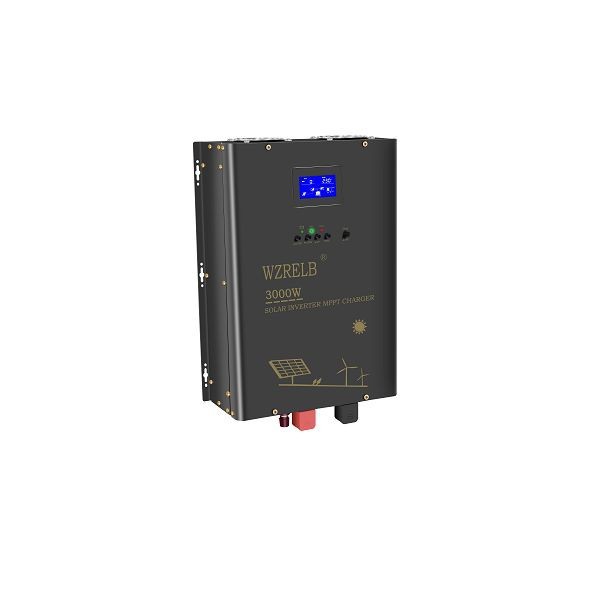
Enables the Hybrid Solar Inverter to interface with the grid and feed excess power back into the grid or draw power from the grid when needed.
Battery charging and discharging circuits
Manages the charging and discharging of the battery to ensure efficient use and storage of solar energy.

Monitoring and control system
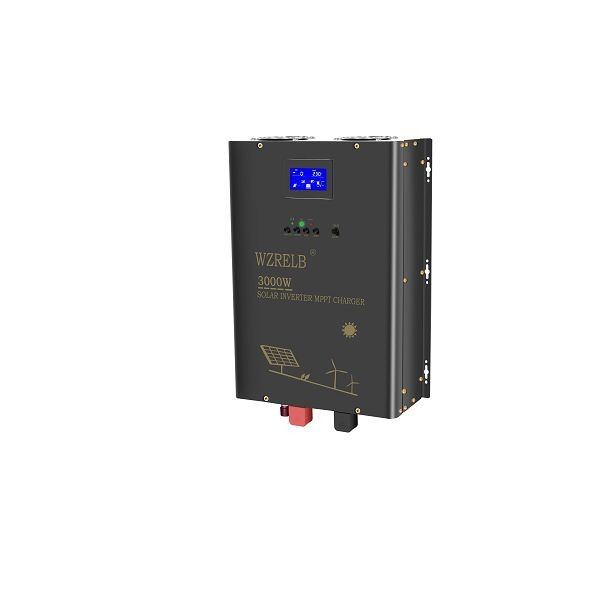
Provides real-time monitoring and control of the system's performance, battery status, and energy consumption.
Safety circuits
Protects the Hybrid Solar Inverter and battery from overcurrent, overvoltage, and short circuits.


Cooling system
Maintains the operating temperature of the Hybrid Solar Inverter to ensure reliable operation.
Can a Hybrid Solar Inverter be connected to multiple batteries
Yes, a Hybrid Solar Inverter can usually be connected to multiple batteries. This allows for increased storage capacity and backup power capabilities. The number of batteries that can be connected may depend on the inverter's specifications and limitations.
Connecting multiple batteries can provide several benefits, such as:
Increased storage capacity: By connecting multiple batteries, you can store more energy, allowing for longer periods of backup power during grid outages or when solar energy is not available.
Backup power redundancy: If one battery fails or requires maintenance, the others can continue to supply power, ensuring uninterrupted operation.
Expanded system capacity: With multiple batteries, you can scale up the storage and backup capabilities of your solar power system to meet higher energy demands.
What are the main components of a Hybrid Solar Inverter
DC-AC converter
This is the core component that converts the direct current (DC) generated by the solar panels into alternating current (AC) for use in the home or to be fed back to the grid.
Battery management system
Manages the charging and discharging of the batteries, ensuring they are charged efficiently and protected from overcharging or deep discharging.
Cooling system
Keeps the inverter operating at an optimal temperature to prevent overheating and ensure long-term reliability.
Grid interface
Allows the inverter to connect to and interact with the utility grid, either to feed excess energy back or to draw power from the grid when needed.
Control circuitry
Handles the overall operation and monitoring of the inverter, including voltage and frequency regulation, load management, and protection features.
Monitoring and communication interface
Provides visibility into the system's performance, energy production, and battery status, often via a display or connected to a monitoring platform.
What are the safety features built into a Hybrid Solar Inverter
In addition to the regular products that we already produce.
Overvoltage and undervoltage protection
It protects the inverter and connected equipment from voltage fluctuations.
Overcurrent protection
Limits the current to prevent damage to the inverter and connected devices.
Short circuit protection
Detects and interrupts the power supply in the event of a short circuit to prevent damage.
Protection
Prevents the inverter from feeding power back to the grid when the grid is down.
Overheating protection
Prevents the inverter from overheating, ensuring safe operation.
Fault detection and alarm
Identifies and alerts users to potential faults or errors.
Lightning protection
Protects the inverter from lightning strikes.
Grounding protection
Ensures proper grounding to prevent electrical shock.
Input and output isolation
Isolates the input and output to enhance safety.
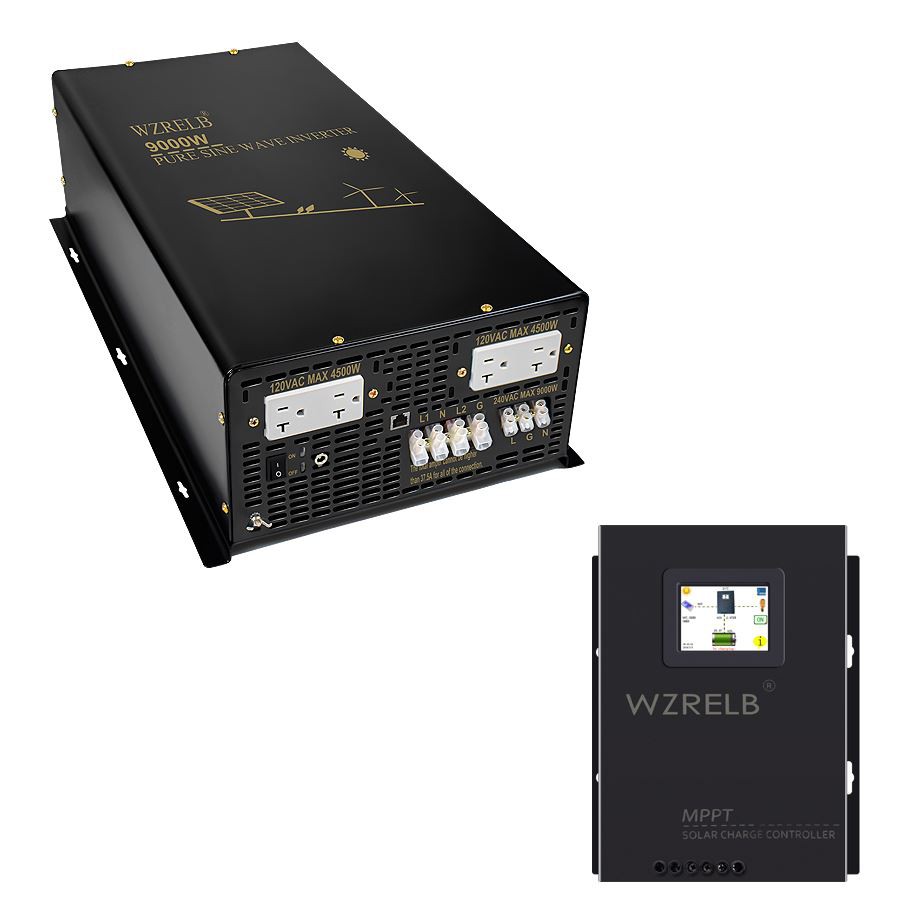
Expanded storage: By connecting multiple batteries, you can store more energy generated by the solar panels, allowing for longer periods of self-consumption and backup during power outages.
Redundancy and reliability: If one battery fails or requires maintenance, the others can continue to supply power, ensuring uninterrupted operation of your critical loads.
Scalability: As your energy needs grow, you can easily add more batteries to the system to meet the increased demand.
Optimized performance: Some inverters have advanced battery management features that can balance the charging and discharging of multiple batteries, extending their lifespan and maximizing efficiency.
How does a Hybrid Solar Inverter handle different types of loads
A Hybrid Solar Inverter is designed to handle different types of loads by converting the direct current (DC) output from solar panels into alternating current (AC) that can be used by various devices and appliances. The inverter's ability to handle different loads depends on its design and features.
One of the key functions of a Hybrid Solar Inverter is to manage the power output to match the load requirements. It can sense the load connected to it and adjust the power output accordingly. This ensures that the inverter supplies the appropriate amount of power to the load, avoiding overloading or underloading.
The inverter may also have built-in protection mechanisms to handle different types of loads. For example, it can protect sensitive electronic devices by filtering out power fluctuations and transient voltages. It may also have overload protection to prevent damage to the inverter and connected devices in case of excessive load.
In addition, some Hybrid Solar Inverters are equipped with multiple output sockets or channels, allowing for the connection of different types of loads. This enables the user to prioritize certain loads, such as essential appliances or devices that require a stable power supply. The inverter can allocate power based on user settings or predefined priorities.
Furthermore, advanced inverters may have features like energy monitoring and load management. They can provide information on the power consumption of different loads, allowing users to make informed decisions about energy usage and optimize their load distribution.
It's important to note that the specific capabilities and features of a Hybrid Solar Inverter can vary depending on the manufacturer and model. When choosing an inverter, it's advisable to consider the load requirements of your household or application and select an inverter that meets those needs. Additionally, it's always recommended to follow the manufacturer's instructions and guidelines for proper installation and usage to ensure the safe and efficient operation of the inverter with different types of loads.
Electrical connections
The Hybrid Solar Inverter should be properly wired to the solar panels, batteries, and the grid. Electrical connections must be made according to local electrical codes and standards to ensure safety and proper power transfer.
Grounding
A proper grounding system should be installed to protect the equipment and users from electrical shock. The inverter and all associated components should be grounded to the electrical grounding system of the building.
Mounting
The Hybrid Solar Inverter should be mounted in a dry, protected location to prevent exposure to moisture, dust, and other environmental factors. It should also be mounted in a manner that allows for adequate ventilation to prevent overheating.
Battery connection
If a battery bank is being used with the Hybrid Solar Inverter, the batteries should be connected in a series or parallel configuration as recommended by the manufacturer. The cables used to connect the batteries should be of sufficient size to handle the current and voltage requirements.
Grid connection
If the Hybrid Solar Inverter is connected to the grid, it must comply with local utility regulations and standards. This may include installing a separate meter or interconnection equipment to monitor and control the power flow between the solar system and the grid.
Protection devices
Appropriate protection devices, such as circuit breakers and fuses, should be installed to protect the equipment and users from electrical faults conditions.
Monitoring and control
The Hybrid Solar Inverter may have built-in monitoring and control features, such as displays or web-based interfaces. These features should be configured and calibrated according to the manufacturer's instructions to ensure accurate monitoring and control of the solar system.
Safety labels and documentation
All safety labels and documentation provided by the manufacturer should be adhered to and followed during the installation process.It's important to note that the specific installation requirements may vary depending on the make and model of the Hybrid Solar Inverter and the local electrical codes and regulations. Therefore, it's always recommended to consult the manufacturer's instructions and guidelines and have the installation performed by a qualified electrician or solar installer who is familiar with the equipment and local requirements.
What are the maintenance requirements for a Hybrid Solar Inverter

Keep it clean
Periodic cleaning of the inverter's exterior to remove dust and debris. Use a soft cloth or brush to avoid scratching the surface.

Protect from the elements
If the inverter is exposed to the elements, consider using a protective cover or installing it in a sheltered area.

Battery maintenance
If you have a battery connected to the inverter, follow the battery manufacturer's maintenance guidelines, including regular charging and discharging cycles.

Address any issues promptly
If you notice any unusual noises, smells, or performance degradation, have the inverter inspected and repaired by a qualified technician.
Monitor performance
Regularly check the inverter's performance, such as output power, efficiency, and any error messages. This can be done through the inverter's monitoring system or display.

Check connections
Inspect the electrical connections periodically to ensure they are tight and free from corrosion. Loose connections can cause power loss or equipment failure.

Stay up to date
Follow the manufacturer's recommendations for firmware updates or software upgrades to ensure the inverter is operating with the latest features and optimizations.

Professional servicing
Consider having a professional service the inverter periodically, especially if you notice any issues or if it's reached the manufacturer's recommended service interval.
What is the difference between a hybrid inverter and a battery storage inverter
Functionality: A hybrid inverter combines the functions of both a solar inverter and a battery inverter. It can convert the DC power from solar panels into AC power for use in the home or feed it back to the grid. Additionally, it can charge and discharge the batteries for energy storage. On the other hand, a battery storage inverter is specifically designed to manage the charging and discharging of batteries, converting the DC power from the batteries into AC power when needed.
Integration: Hybrid inverters are often integrated with the solar panel system and battery storage, forming a complete energy management solution. They can optimize the usage of solar energy and battery storage. Battery storage inverters, on the other hand, may be used as standalone units or integrated with other components of the energy storage system.
Application: Hybrid inverters are suitable for both residential and commercial solar installations where energy management and grid interaction are important. Battery storage inverters can be used in various applications, including backup power, off-grid systems, and grid stabilization.
Grid interaction: Hybrid inverters can interact with the grid, either by feeding excess solar energy back to the grid or drawing power from the grid when the batteries are depleted. Battery storage inverters may or may not have grid interaction capabilities, depending on the specific application.
Cost: Hybrid inverters are generally more expensive than battery storage inverters due to their integrated functionality. However, the overall cost also depends on the size and features of the systems.
Complexity: Hybrid inverters tend to be more complex as they handle multiple functions and need to coordinate with the solar panels and batteries. Battery storage inverters are relatively simpler as their main focus is on battery management.
How do I know if my home is suitable for a hybrid solar inverter
To determine if your home is suitable for a hybrid solar inverter, consider the following factors:
Grid Connectivity: Hybrid inverters are designed to work with both solar panels and the grid. Ensure that your home is connected to the grid and that you have the necessary permissions to install a grid-tied system.
Solar Panel Compatibility: Check if your existing solar panels or the ones you plan to install are compatible with hybrid inverters. Some inverters may only work with certain brands or types of panels.
Battery Storage Needs: Hybrid inverters support battery storage, allowing you to store excess solar energy for later use. Assess your energy consumption patterns and determine if battery storage would be beneficial for your home.
Space and Installation Requirements: Consider the space available for installing the hybrid inverter and associated equipment. Ensure there is enough room and that the installation location meets all electrical and safety codes.
Electrical System Compatibility: Verify that your home's electrical system can support a hybrid inverter. This includes having a suitable breaker box, adequate wiring capacity, and the right voltage for the inverter you intend to purchase.
Backup Power Requirements: If you need backup power during grid outages, confirm that the hybrid inverter you choose includes this functionality (often referred to as grid forming or grid support capability).
Load Management: Determine if your home could benefit from load management capabilities offered by some hybrid inverters, which optimize the use of solar power and battery storage to reduce energy costs.
Budget and Return on Investment: Calculate the initial investment required and the potential savings over time. Ensure that the cost of the hybrid inverter fits within your budget and that the projected return on investment is favorable.
Local Regulations and Permits: Check local regulations regarding solar installations and grid connections. You may need to obtain permits or comply with specific standards to install a hybrid inverter.
Our Factory
Wenzhou Qisan Energy Tech is identified as one of the most famous trademarks in China for pure sine wave inverter because of its high reliability ,reasonable service.
Committed ourselves to improving environment and making contribution to the renewable energy industry ,we at Reliable will continue develop efficient and cost-effective solution to bring more green electricity to our users.

Company Honor


FAQ
Hot Tags: hybrid solar inverter, China hybrid solar inverter manufacturers, suppliers, factory, Hybrid Inverter, Hybrid Solar Inverter